From Access to Belonging: Learning from the WHT Community
“You are so brave.” I’ve lost count of how many times I heard this phrase after being admitted to Oxford as a Weidenfeld-Hoffmann scholar. In a way, they are right. Moving to another country is never trivial. It means leaving behind relationships built over decades, as well as the certainties that once grounded you. While some students return home during holidays or welcome family visits, others navigate this uncertainty entirely alone.
Access to higher education remains a privilege in many parts of the world. For first-generation students, a scholarship often represents more than an academic opportunity, it is a chance to rewrite the history of their families and communities. Financial barriers are usually identified as the main obstacle, and rightly so. Yet, when this challenge is overcome, another one quietly emerges: loneliness. And at this stage, community becomes the decisive factor between merely surviving and truly thriving.
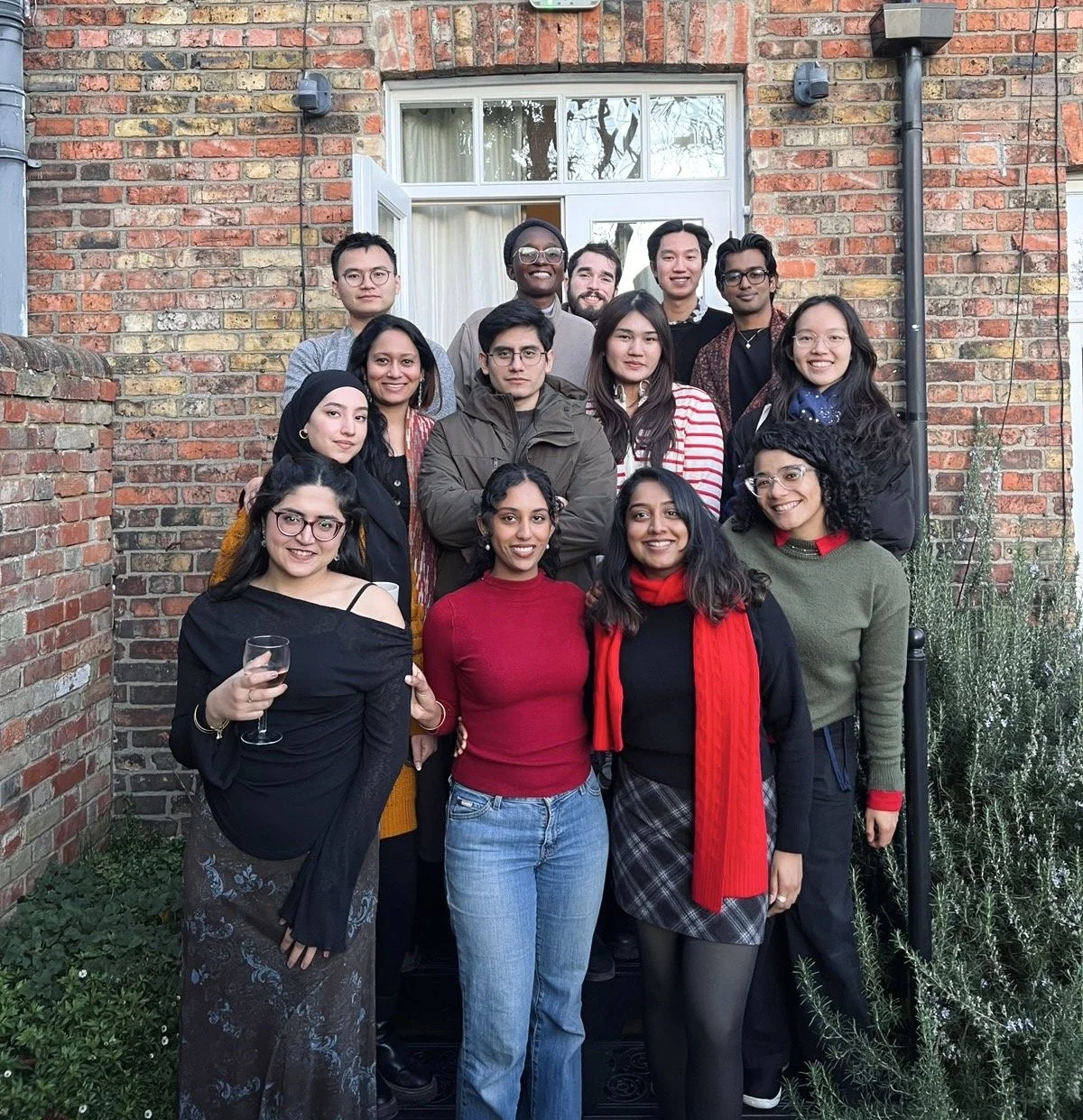
The WHT community became my home. More than a network, it became a family, a space of care and belonging. I remember the first person I hugged at WHT House, on my second day in Oxford. I can hardly put into words how much that hug meant to me on that day. Community is not an abstract concept: it is emotional safety, mental health support, and the place you return to after an exhausting week.
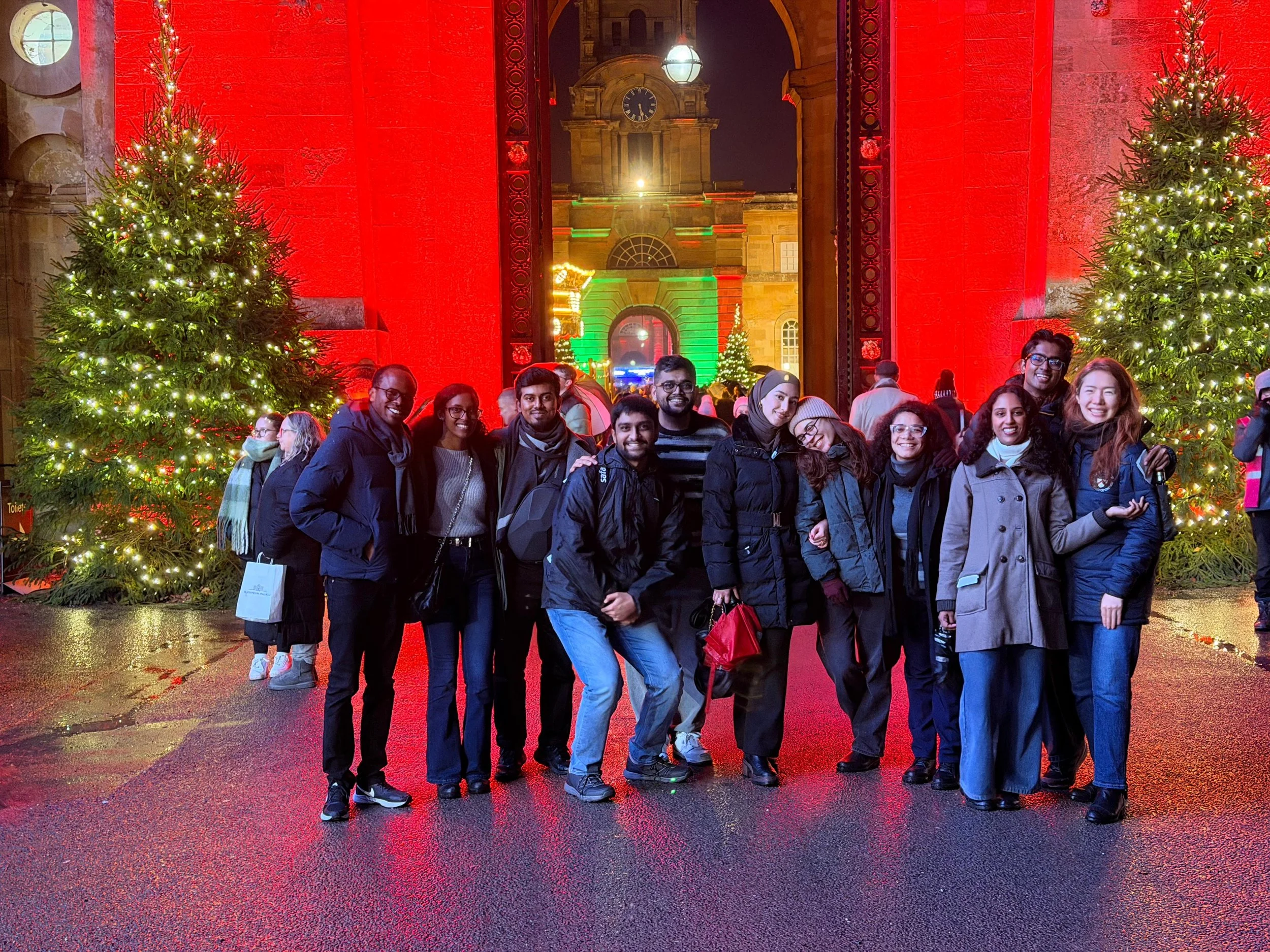
In 2025, I celebrated Christmas for the first time. While most people I knew in Oxford travelled home, my WHT family became my place of warmth. We were people from all over the world, sharing food from different cultures, playing games we each learned differently, and exchanging modest gifts in a Secret Santa. In that moment, I felt at home. Suddenly, the minus one degree felt less cold for my latino body.
This experience reinforced a belief I have carried from my work in philanthropy and NGOs: money alone does not solve inequality. While financial support is essential, it addresses only one dimension of exclusion. Emotional needs, social belonging, and mental well-being are also structural barriers, especially for students who cross borders, cultures, and class boundaries to access elite institutions.
Against the backdrop of a global mental health crisis, loneliness can no longer be treated as a secondary issue or an individual weakness. It is a systemic challenge. Isolation often helps explain low engagement in programs widely described as “life-changing” - initiatives that, on paper, offer generous funding, world-class education, and exceptional professional opportunities. What these models frequently overlook is that people do not engage, persist, or thrive in isolation.
As humans, we are relational beings. Learning, confidence-building, and long-term success are deeply shaped by our ability to form bonds, feel seen, and belong. Yet, in the design of many educational and philanthropic programs, social connection is treated as optional rather than essential. By underestimating the power of community, we risk reproducing inequality in more subtle ways, providing access without ensuring that people have the emotional conditions to remain, grow, and succeed.
In the past, I learned that every good text ends with a call to action. Mine is simple: scholarship and learning programs must care as deeply about social integration as they care about financial support. And for scholars, may we continue to find the courage to ask for hugs, conversations, and help. Because access opens doors, but community makes us stay.