
COP 30: An Adventure in Climate Diplomacy
Standing in the negotiation halls at COP30, I carried with me not just my Oxford notes and the support of the Weidenfeld-Hoffmann Trust, but also the weight of Africa's climate aspirations. As a junior negotiator with the African Group of Negotiators (AGN), I witnessed firsthand how the future of our planet is being shaped one clause, one commitment, one heated debate at a time.
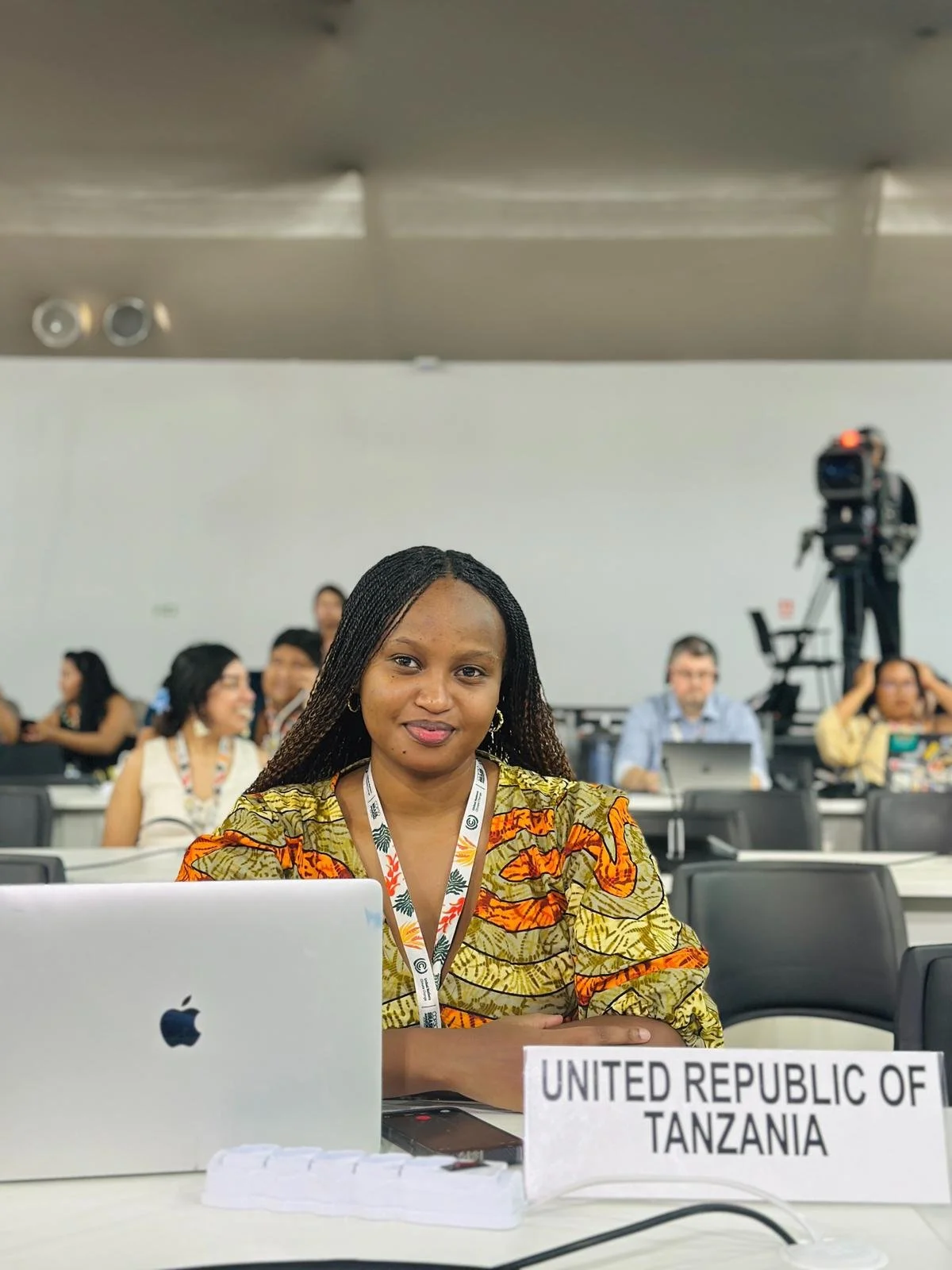
Laurel at the negotiation coordination room.
The Reality of Climate Negotiations
The UN climate conferences you read about in textbooks take on an entirely different dimension when you're in the room where it happens. COP30 was intense, exhausting, and profoundly eye-opening. I watched seasoned diplomats negotiate late into the night over language that might seem minor but carries enormous implications for vulnerable communities. Behind every percentage point of emissions reduction, every dollar of climate finance, there are real lives and real futures hanging in the balance.
What struck me most was the gap not just between developed and developing nations, but between the urgency scientists are communicating and the pace at which political will moves. Africa contributes minimally to global emissions yet faces some of the harshest climate impacts. Representing the AGN meant advocating for climate justice, ensuring that adaptation finance reaches those who need it most, and pushing for loss and damage mechanisms that actually work.
Key Takeaways
Climate diplomacy is as much about relationships as it is about policy. The informal conversations in corridors, the coalition-building over coffee, the trust built between delegates - this is what moves negotiations forward when formal sessions stall. Youth voices matter, but we need more seats at the table. While COP has made space for young people, we're still underrepresented in decision-making rooms. Yet it's our generation that will live with the consequences of today's commitments or the lack thereof. The science is clear, but implementation is complex. Everyone agrees on the problem, but translating scientific consensus into binding agreements that satisfy 198 parties with vastly different interests and capabilities is where the real challenge lies. Africa's negotiating position is powerful when united. The AGN's strength comes from its collective voice. When African nations stand together, we cannot be ignored.
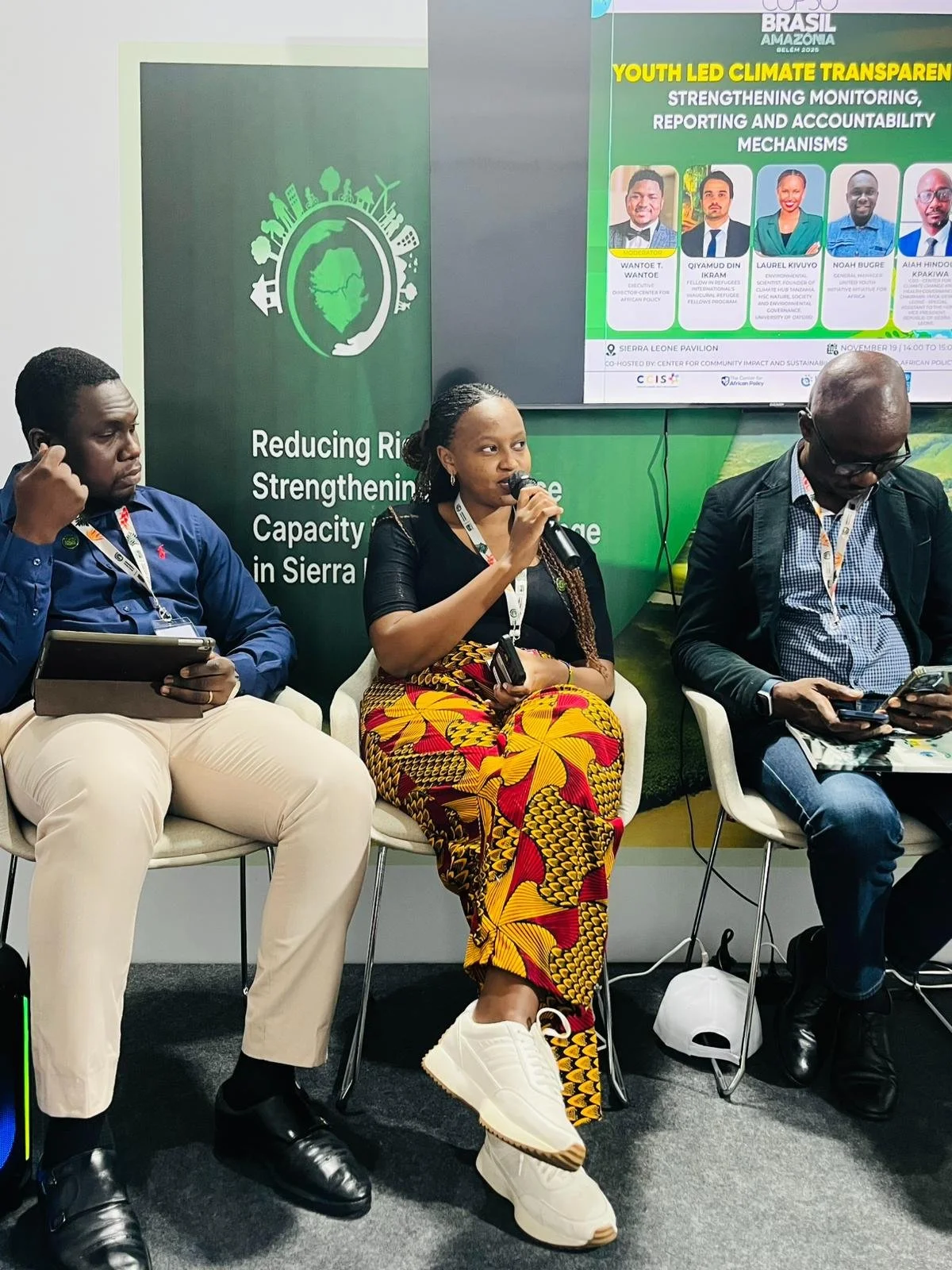
Sharing the Experience at Oxford
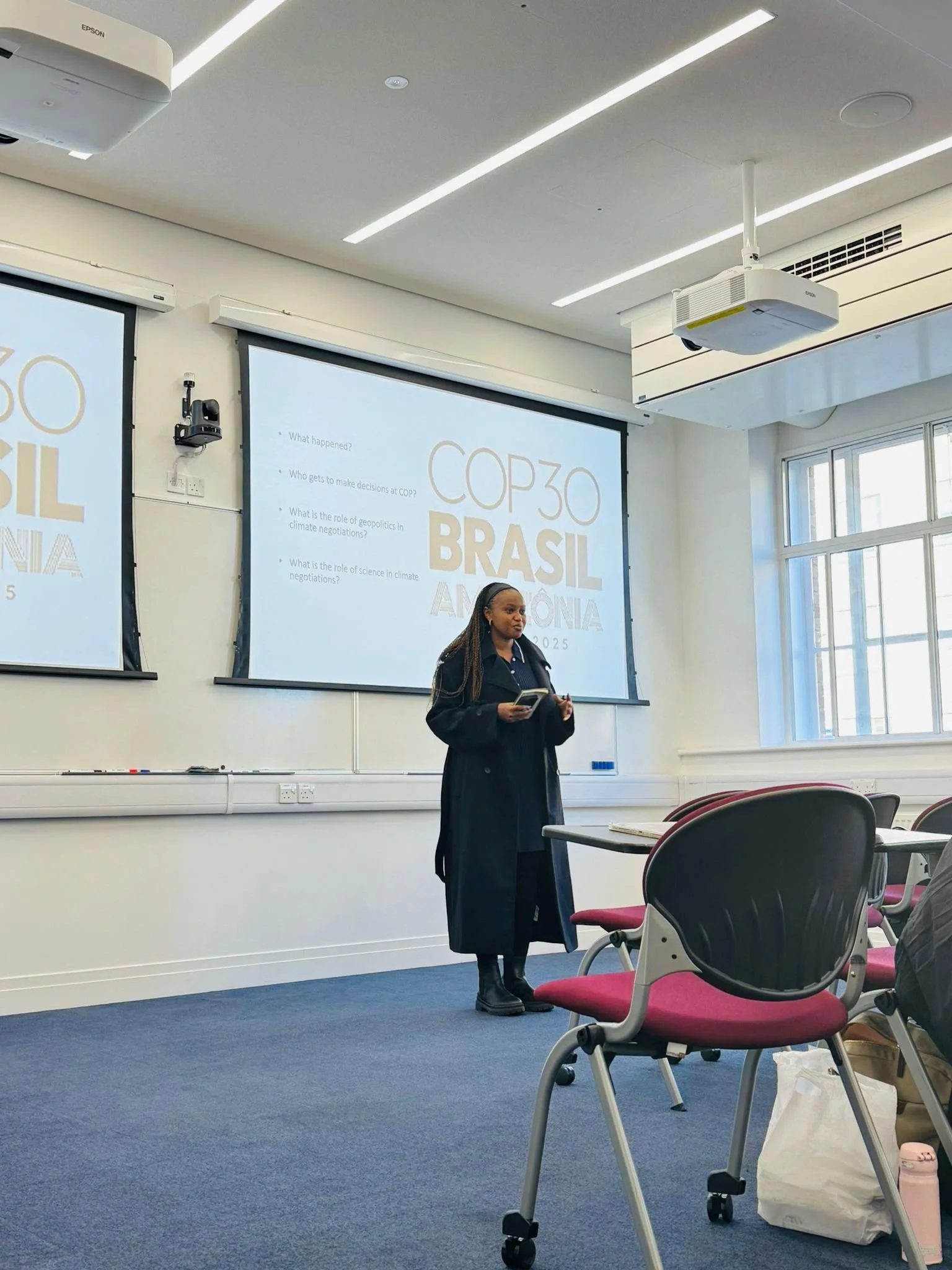
On returning from COP, I had the privilege of presenting to my class at Oxford, bridging the gap between academic study and real-world climate action. My classmates asked thoughtful questions about how international law translates into practice, about the role of non-state actors, and about whether I still have hope after witnessing the slow grind of multilateral negotiations. The answer is yes but it's a different kind of hope now. It's a hope tempered by realism, fuelled by urgency, and grounded in the understanding that change requires both pressure from below and commitment from above.
I now hope for a world where climate finance flows as freely as climate impacts do, where adaptation funding reaches rural communities before disasters strike, not after. A COP where Africa isn't just asking for justice but celebrating its leadership in renewable energy and nature-based solutions. I hope the next generation of negotiators won't have to fight as hard for basic acknowledgment of climate debt and historical responsibility. Most importantly, I hope that my peers - at Oxford, across Africa, and around the world - will see climate diplomacy not as an abstract career path but as an urgent calling. We need lawyers, economists, scientists, and communicators who understand that every policy brief we write, every model we build, every negotiation we enter could help determine whether communities survive or disappear.
Moving Forward
The Weidenfeld-Hoffmann Trust didn't just sponsor a student to attend a conference, they invested in someone who will carry these lessons forward. Every lecture I attend at Oxford now resonates differently. When we discuss international environmental law, I remember the delegates fighting over treaty language. When we analyze development economics, I think of the countries arguing for their right to develop while the climate clock ticks down. COP30 wasn't just a professional milestone; it was a formative experience that reshaped how I see my role in the world. The climate crisis demands that we all step up, as negotiators, advocates, scholars, and citizens. My journey from Oxford to COP and back has only strengthened my resolve to be part of the solution.
The work continues. The stakes couldn't be higher. And I'm ready.