When Media Defends Democracy, Who Defends the Media: Reflections from the Ditchley Conference
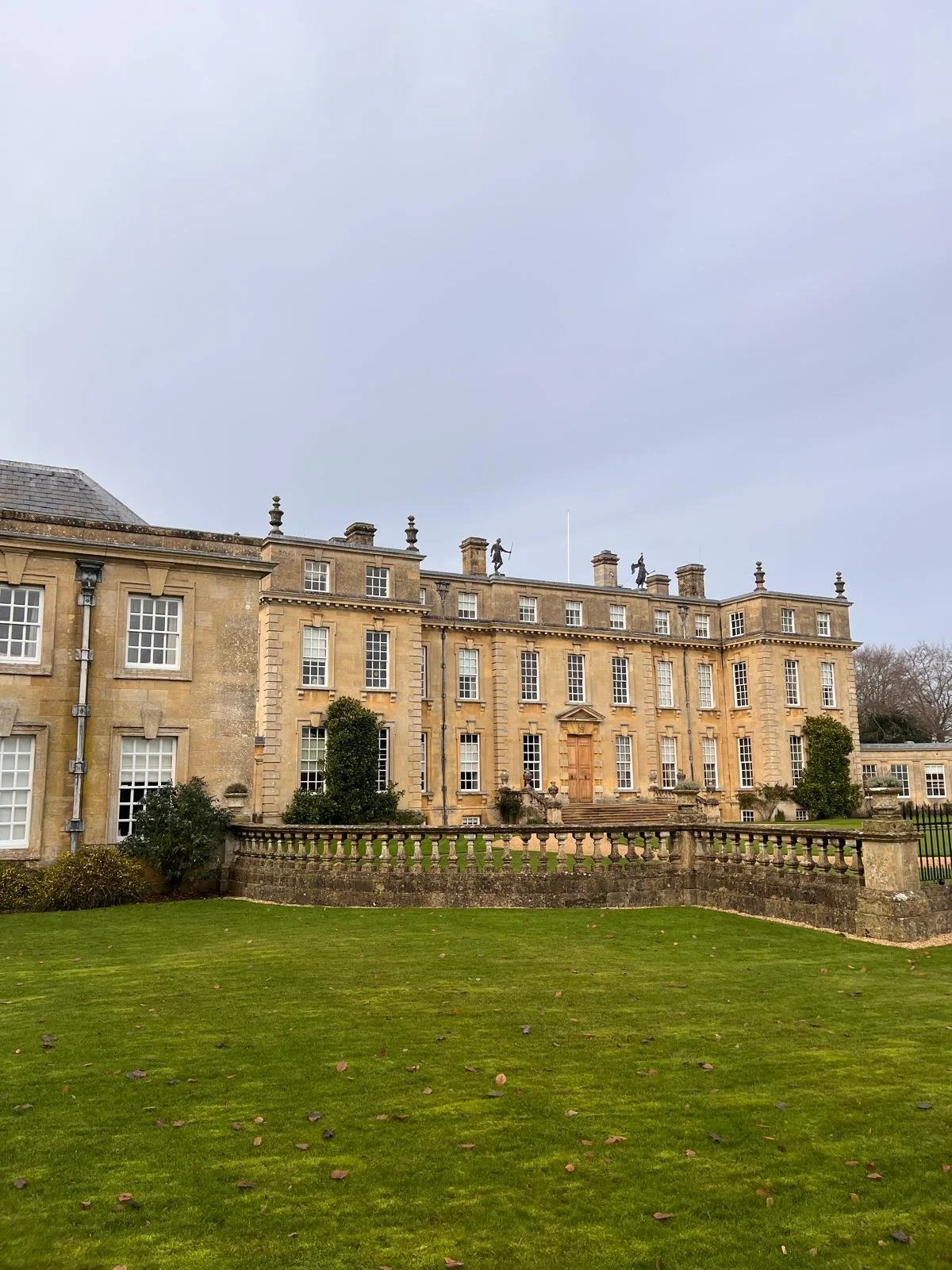
There's something clarifying about discussing the future of journalism in an eighteenth-century mansion where Churchill held wartime meetings. Ditchley has hosted these conversations for seventy years: closed doors, no attribution, ideas tested before they harden into policy.
The conference addressed how news media can support democratic resilience, navigate the attention economy, and harness AI. But over three days, these revealed themselves as one question wearing different masks. These questions aren't sitting side by side. They're nested inside each other, like those Russian dolls my grandmother kept. You open one, find another staring back. Democracy requires information people can trust. That requires media organizations that survive long enough to produce it. Survival means solving the attention economy. And the attention economy is being rewritten by AI as we speak.
One participant put it bluntly: the advertising model is finished, and chasing attention corrodes journalism at its root. Without agreement on basic facts, democratic debate is just performance.
The room included people who have spent careers working on exactly this: researchers from the Reuters Institute, professional fact-checkers, editors who built verification teams from scratch. And yet the mood wasn't triumphant. The problem isn't that nobody is working on trust. The problem is that the work doesn't scale. Fact-checking is slow while misinformation is fast. By the time verification arrives, the falsehood has already spread. Manual verification works for flagship investigations, but it cannot cover the thousands of articles, posts, and headlines an average person encounters each week.
The conversation kept circling back to this: trust is hard to monetise. Clicks are measurable. Time on page is measurable. Whether a source is reliable remains fuzzy. Subscription models represent one attempt, with people paying for sources they trust, but this creates different problems, potentially reinforcing the very filter bubbles that fragment shared reality.
Which left me with something I kept turning over: is there a movement from attention economy to trust economy? And if so, who builds the infrastructure for it? What's missing is exactly that: infrastructure, a way to make trustworthiness visible and valuable at scale. Several participants acknowledged that news consumers need tools to verify whether information comes from credible sources, to detect bias before it shapes their thinking. Yet these tools remain largely absent, or unused when they do exist. Building this kind of content verification infrastructure is what I'm working on with Logos.
Ditchley operates under conditions designed for candour. Closed sessions, no attribution, participants selected for their ability to influence outcomes. The explicit purpose is shaping policy through private deliberation. The format works. When people aren't performing for cameras or building their public profiles, they say what they actually think. The contrast with the concluding public discussion was notable. Once the setting opened up, the rhythm changed. Contributions drifted toward the speaker rather than the subject. Less dialogue, more monologue. The room felt the difference.
I came there to understand how people who shape media policy think about problems I'm approaching from a different angle. That position came with an advantage: fewer assumptions to defend. I could listen for what people actually meant beneath what they said. Here is what I took away: institutions presenting themselves as democracy's defenders must also defend their own continued existence. Those imperatives sometimes align. Sometimes they pull apart. Understanding when they come apart is essential for anyone building solutions in this space.
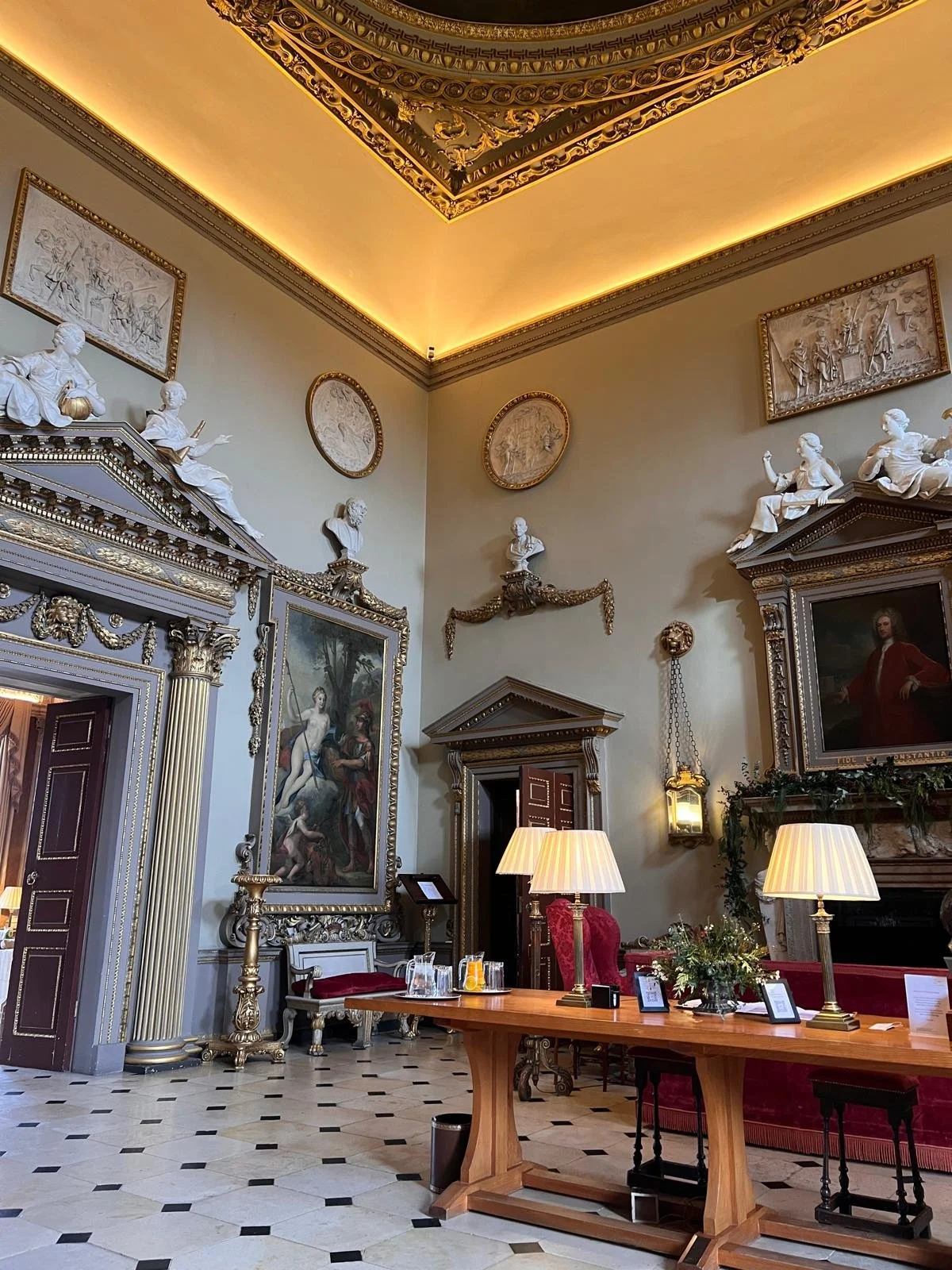
We are moving toward a world where much of what people believe gets assembled by systems that remain opaque even to their creators. Elections, markets, conflicts, identities: all increasingly mediated by algorithmic compression, the contextual knowledge that reporters spent years accumulating reduced to statistical patterns. The fourth estate existed to hold power accountable. What performs that function when traditional media can no longer sustain itself? And if new structures emerge to fill the gap, the questions become: who constructs them, who owns them, and which interests do they actually serve?
The conference didn't answer these questions. I doubt any gathering can, regardless of how much history saturates the walls. But they remain the right questions to press. I am grateful to the Weidenfeld-Hoffmann Trust for the nomination that brought me here, and for their ongoing support of this work.