
The Courage to Start Alone, The Wisdom to Lead Together
Lately, across social media, a phrase has been echoing - Do it alone. Wrapped in ideas of discipline, independence, and relentless ambition, it says: start alone, act alone, don’t wait for permission, and don’t wait for others to believe in you before you believe in yourself.
I grew up in Ukraine in the 2000s, during a period of national transition with daily life still being marked by economic hardship and political uncertainty. Coming from one of the most polluted regions, I became aware at an early age of industrial pollution. In school, I was particularly interested in mathematics and chemistry and I realized that if I wanted to contribute to a cleaner world, I first needed to understand how industrial systems function from the inside, which led me to chemical engineering, with a focus on oil refining.
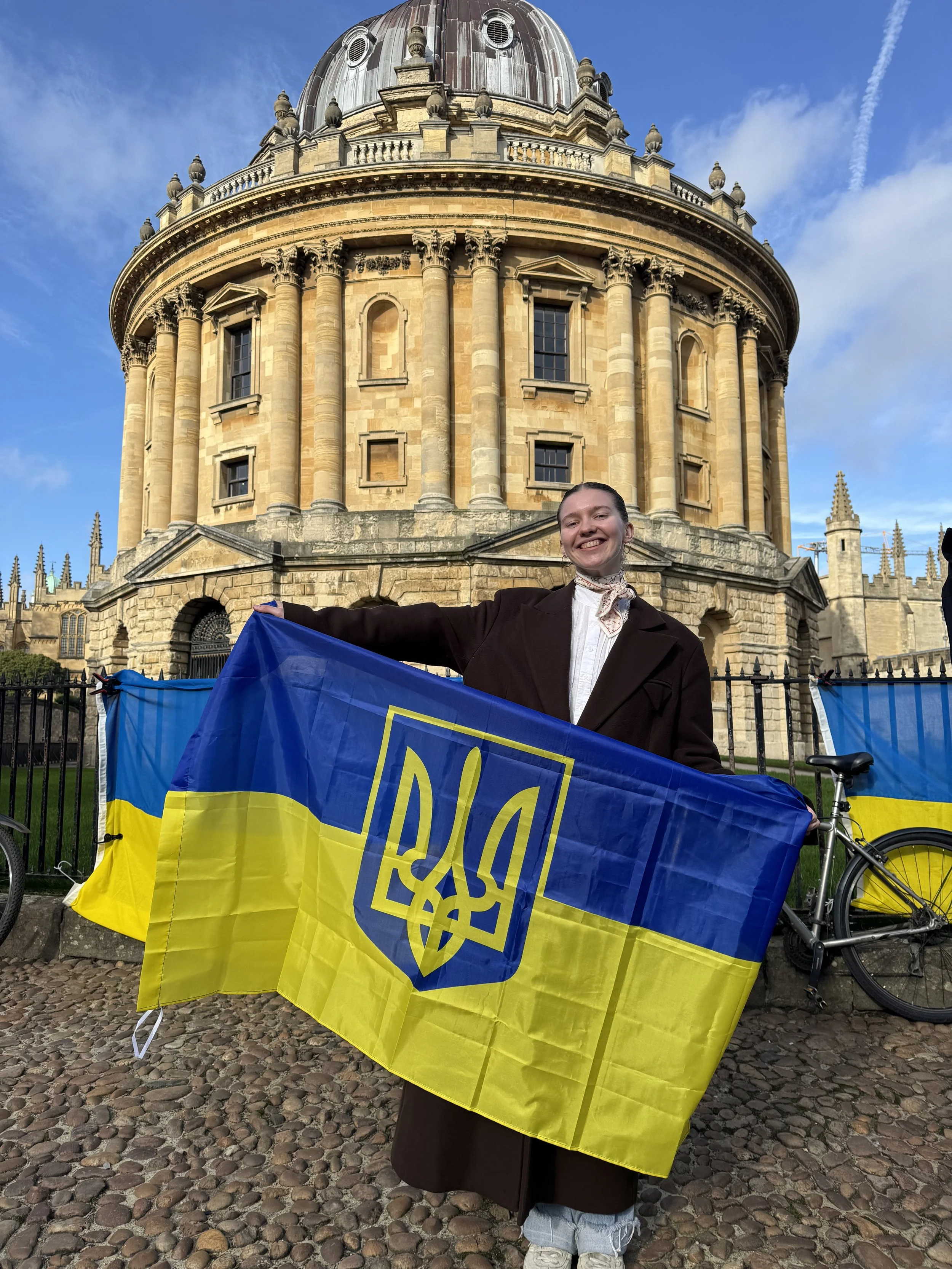
However, I quickly learnt that this path came with its own challenges. It was a male-dominated field, at university and in the workplace. Over the years, I realised how ambition and boldness in a young woman are not always welcomed. I’ve experienced firsthand what “doing it alone” can really feel like. It often means being left to face resistance, isolation, and even betrayal all by yourself though I did have the unwavering support of my family, which reminded me that no one else defines my future. It means standing your ground when all support disappears.
When I came to Oxford, I used to think that needing support was a weakness, something I needed to prevent from happening to me. I carried a kind of fear inside me: that I would face the same again. Instead, as a Weidenfeld-Hoffmann Scholar, I encountered a genuine openness to collaboration. From moral philosophy seminars, where my views were sharpened through dialogue, to the Business Challenge, where I learned how easily misunderstanding can arise in teamwork. We were warned that every team eventually reaches a stage of frustration and irritation, though I was skeptical at first. But later I realized that tension often emerges when we expect others to think as we do. The real challenge is not disagreement itself but accepting it as a natural part of working together that requires a shared commitment to move forward. Perhaps this is true for the world.
WHT taught me the true value of mentorship and that even the strongest individuals are supported by others, by those who advise and challenge. Even though I used to believe that one person could change the world. In a way, I still do. But the simple truth is: no one builds the future alone. The right mentors open doors, challenge you to think bigger, and to question yourself. As Sharon White in a Women in Leadership session said: choose a few mentors, be open with them, ask for advice as no one knows how to do everything perfectly, and perhaps that’s the point.
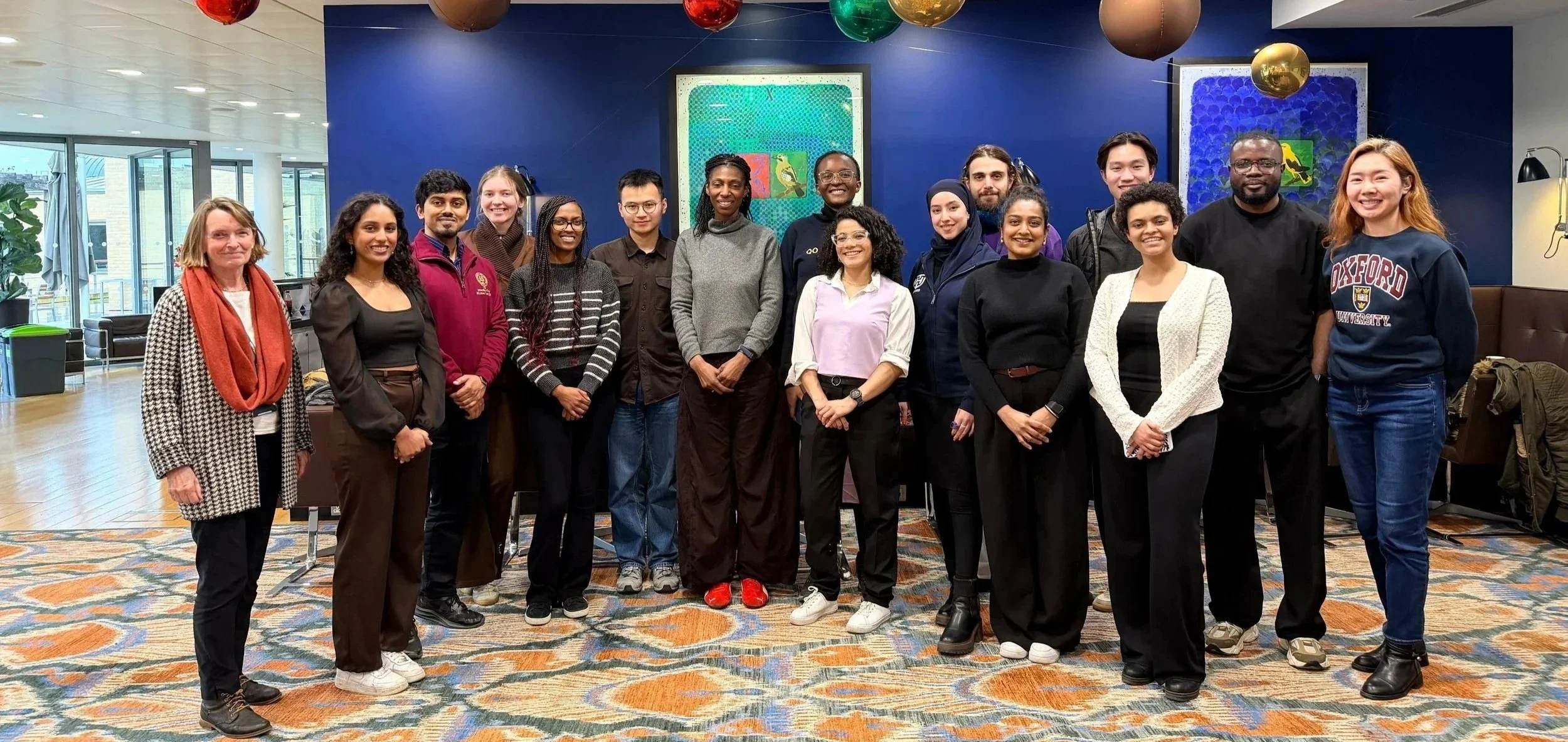
WHT Scholars with Sharon White (DBE, Member of the House of Lords of the United Kingdom), pictured seventh from left.
Oxford gave me the feeling of being heard, seen, and being taken seriously. You still have to show up, to be bold and resilient. You still have to start, often alone. But you don’t have to stay alone.
And it made me reflect even more on what I’ve seen from Ukraine. The strength, unity, and courage of Ukrainians, and the support from people across the world, show that true leadership is not about standing alone. It’s about standing together.
This is something our world desperately needs right now: collaboration over competition, trust over isolation. The challenges we face are too complex. We really, really need each other.
So instead Do IT ALONE, I would say DO Start alone. Don’t wait for validation. Don’t let doubt, yours or others’, hold you back. And trust that, at the right time, the right people will appear. You only have to be open with them.
